Explore Amsterdam's Jewish Quarter with guided tours covering Anne Frank House, Jewish Museum & Portuguese Synagogue. Book tickets, compare options & plan your visit.
What Is the Jewish Quarter & Why Visit
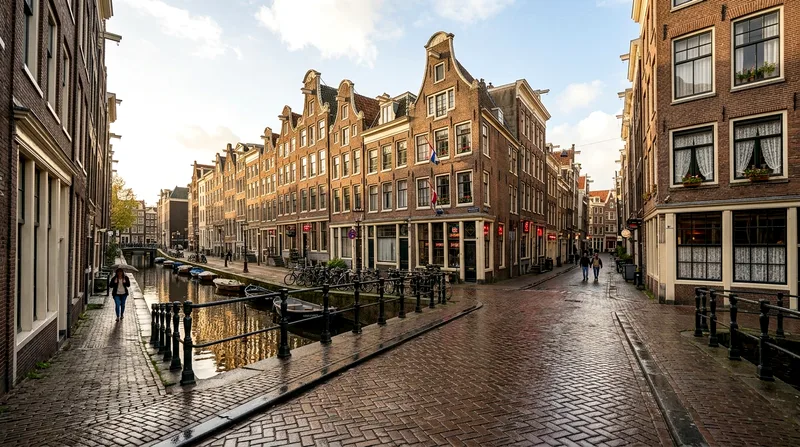
An Amsterdam Jewish Quarter tour takes you through the area historically known as the Jodenbuurt, stretching roughly from Waterlooplein to the Nieuwmarkt and down toward the Amstel river. Before the Second World War, this was one of the largest Jewish communities in Europe — around 80,000 Jewish residents lived in Amsterdam by 1940, many concentrated in these streets. Walk through today and you'll see a neighborhood that looks peaceful, almost ordinary, which is exactly what makes the history land harder.
The Nazi occupation and subsequent deportations devastated the community; an estimated 75% of Dutch Jews were murdered in the Holocaust, one of the highest proportions in occupied Western Europe. That context matters before you book anything — this isn't a quirky "old town" tour, it's a memorial landscape layered over a functioning modern district with cafes, a flea market square, and university buildings.
Historical significance and WWII context
The quarter's identity is inseparable from the war years. Anne Frank's family went into hiding a short walk away on the Prinsengracht, not technically inside the old Jodenbuurt boundary, but her story is the lens through which most visitors understand the period, so nearly every itinerary includes the Anne Frank House. Inside the former Jewish Quarter itself, the Hollandsche Schouwburg — once a theater, later a deportation holding point — now functions as a memorial site with a free-to-enter exhibition space. Stolpersteine (brass "stumbling stones") set into the pavement outside former homes name individual victims; they're easy to miss if you're walking fast, which is an argument for slowing down rather than rushing between stops.
Key landmarks and cultural importance
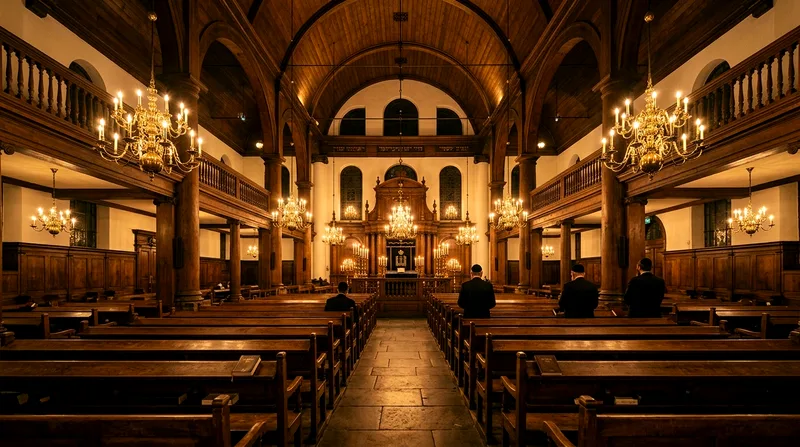
The core landmarks cluster within a 15-minute walk of each other: the Portuguese Synagogue (built in 1675, still used for services and famous for its candlelit interior), the Jewish Museum Amsterdam (spread across four converted historic synagogue buildings), the Holocaust Memorial of Names (opened in 2021 along the Weesperstraat, listing over 102,000 victims), and Waterlooplein's flea market, which has operated in some form since the 19th century. I'd rank the Portuguese Synagogue as the most underrated stop — tour groups often skip it in favor of the Anne Frank House, but it's one of the few 17th-century synagogues in Europe that survived the war structurally intact.
Guided Tours vs Self-Guided Walking
This is the real decision point, and the honest answer depends on how you process history. A guide adds context you won't get from a plaque — personal family stories, explanation of why certain buildings survived demolition and others didn't, and answers to questions on the spot. Platforms like Viator and TripAdvisor list several operators running small-group Jewish Quarter and WWII history walks, typically 2 to 3 hours long and priced in the €25–€45 range per person, sometimes bundled with Anne Frank House tickets at a premium.
I'd push back on one thing: you don't need a guide to understand this neighborhood. Unlike, say, the Anne Frank House itself — where context is built into the audio guide and exhibition design — the outdoor Jewish Quarter is legible with a decent self-guided route and a bit of reading beforehand.
A guided group walk costs more and takes longer, while a self-guided app route offers similar content for a fraction of the price if you don't mind navigating yourself.
Amsterdam Jewish Quarter tour options compared: guided, self-guided and app-based formats
| Format | Typical cost | Duration | Best for |
|---|---|---|---|
| Small-group guided walk | €25–€45 per person | 2–3 hours | First-time visitors wanting live context |
| Private guide | €150–€250 per group | 2–3 hours, flexible pace | Seniors, families, custom schedules |
| Questo App self-guided | €10–€15 per phone | 1.5–2.5 hours | Couples, budget travelers, independent pace |
| Museum's free walking route | Free | 1.5–2 hours | Self-directed, budget-conscious visitors |
| Combination ticket, no guide | €20–€25 per person | Flexible | Visitors focused on museum entry only |
Prices are typical ranges based on standard platform listings; always check current prices and availability before booking.
Guided tour benefits and formats
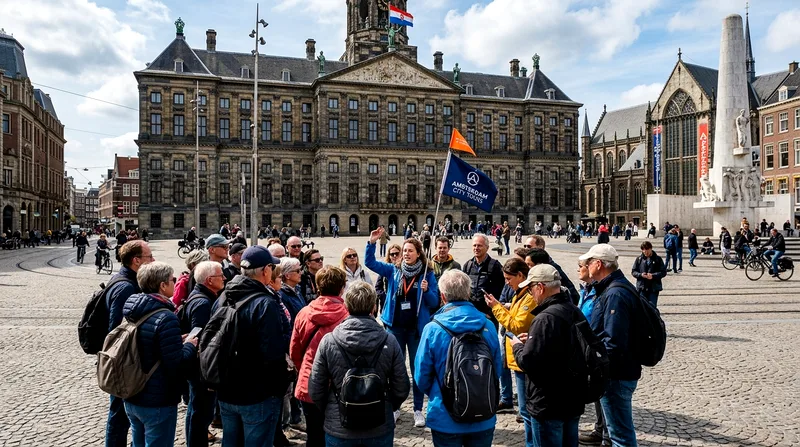
Guided formats vary. Walking tours with a live guide suit people who want to ask questions and don't mind a fixed pace — expect groups of 10 to 20 people, occasionally smaller on premium bookings. Some operators combine the Jewish Quarter walk with a canal cruise or a stop at the Dutch Resistance Museum across the water in Plantage, which is a smart pairing since that museum covers the broader occupation period, not just Jewish history specifically. Private guides cost more, generally €150–€250 for a small group of up to six, but let you set your own pace — useful for senior travelers or anyone needing more rest stops along cobbled streets.
Self-guided tour options and apps
If you're comfortable navigating independently, the Questo App and similar smartphone-led tour apps turn the Jewish Quarter into a self-paced route with GPS-triggered stories and sometimes light puzzle elements, priced around €10–€15 per phone rather than per person — good value for couples or families splitting the cost. The Jewish Museum itself also offers a downloadable walking route on its website, free of charge, which covers the same core landmarks a paid tour would hit. The trade-off is obvious: no one to ask follow-up questions, and you need to actually read the material rather than half-listen while looking at buildings.
Tickets, Museums & Entry Information
Ticketing is where most people get caught out, so plan this part first, not last. Anne Frank House sells tickets exclusively online, released roughly six weeks in advance with a small batch of next-day tickets released daily at 9am Central European Time — walk-up entry doesn't exist anymore. If your dates are fixed, book the moment your travel dates are confirmed; this single bottleneck shapes the rest of the itinerary more than any other decision on this page.
The Jewish Museum Amsterdam is comparatively easy — timed entry isn't strictly enforced the same way, and tickets can usually be bought on arrival, though booking online avoids a queue in peak summer months. The museum is closed on Yom Kippur annually, worth checking if your trip overlaps with the Jewish calendar.
Anne Frank House and Jewish Museum
Anne Frank House tickets run around €16 for adults, €7 for ages 10–17, free under 10, and the visit itself takes about an hour, timed and ticketed in 30-minute entry windows. The Jewish Museum ticket price sits in a similar range, roughly €17.50 for adults, and typically includes access to the Portuguese Synagogue next door as part of a joint ticket — check this at booking since the bundling arrangement is the better value option rather than paying for each separately. Both sites have audio guides included or available for a small supplement, and English-language information is standard throughout.
Combination packages and pricing
Combination packages sold through Viator, GetYourGuide-type platforms, or directly through museum websites typically bundle the Jewish Museum, Portuguese Synagogue, and sometimes the Holocaust Memorial audio tour into one ticket priced around €20–€25 — a reasonable saving if you're visiting more than one site anyway. Be skeptical of packages that bundle Anne Frank House with a third-party guided walk at a large markup; the museum's own ticket price doesn't change based on who sells it, so you're paying extra purely for the bundling convenience. Compare current prices and availability on the booking platform before committing, since ticket release schedules shift.
Best Time to Visit & Duration
Early morning, right at opening, is the quietest window across every site in the quarter — the Portuguese Synagogue in particular feels different with natural light and few other visitors versus a 2pm crowd crush. Weekdays beat weekends generally, though Friday afternoon into Saturday the Portuguese Synagogue and some Jewish-run businesses close or operate reduced hours for Shabbat, which catches visitors off guard.
Seasonal considerations and crowds
Summer (June–August) brings the heaviest footfall citywide, Anne Frank House included, and the outdoor stolpersteine and memorial walks are more pleasant without crowds pressing from behind. Shoulder season — April, May, September, October — gives milder weather and thinner queues at the Jewish Museum specifically. Winter is genuinely underrated for this itinerary: fewer tourists, and the indoor sites (Jewish Museum, Portuguese Synagogue, Hollandsche Schouwburg) don't depend on weather the way a canal cruise does. Compare that to Bruges or Rotterdam, where winter visits can feel half-shuttered — Amsterdam's Jewish Quarter museums run full hours year-round.
Tour length and time allocation
Budget a half day minimum — around 4 hours — to do this properly: an hour at Anne Frank House, 90 minutes across the Jewish Museum and Portuguese Synagogue, 30 minutes at the Holocaust Memorial of Names, and the rest walking between sites and pausing at stolpersteine. Rushing it into 2 hours is possible but means picking two sites, not four. Families with children under 10 should expect shorter attention spans at the Jewish Museum's historical sections, though its dedicated Children's Museum wing (included in the family ticket) is built for exactly that age group.
Nearby Attractions & Add-Ons
The Jewish Quarter sits close enough to central Amsterdam's other major sights that pairing it with a second stop is easy rather than forced. This is one advantage Amsterdam has over a city like Berlin, where its Holocaust memorial sites are more spread across the city — here, everything from the quarter to the Amsterdam Museum is within a 20-minute walk.
Museums and cultural sites nearby
Rembrandt House Museum sits just a few minutes from Waterlooplein, in the house where the painter actually lived and worked from 1639 to 1658 — a natural add-on since Rembrandt painted several Jewish neighbors from this very quarter. The Amsterdam Museum, covering the city's broader 800-year history, works well as a contrast piece, showing how the Jewish community fit into the wider city story. The Begijnhof, a quiet medieval courtyard near the Spui, is a 25-minute walk away and offers a deliberate change of pace — worth it if you want a calmer close to an emotionally heavy day rather than heading straight to a crowded attraction.
Dining and shopping in the quarter
Waterlooplein's flea market is still worth a browse for vintage clothing and odds-and-ends stalls, running daily except Sunday. For food, the quarter isn't a culinary destination the way the Jordaan is, but a few kosher and Jewish-style bakeries near the Museum survive — look for herring stalls and apple cake rather than expecting a dense restaurant scene. If you want a proper meal, walk 10 minutes toward the Nieuwmarkt, which has far more variety than the quarter itself.
Frequently asked questions
How long is an Amsterdam Jewish Quarter tour?
A guided walking tour typically runs 2 to 3 hours, covering the main outdoor landmarks like the Portuguese Synagogue exterior, Holocaust Memorial of Names, and Waterlooplein. If you add museum entries — the Jewish Museum, Portuguese Synagogue interior, and Anne Frank House — budget a half day, roughly 4 hours total, to avoid rushing through any single site.
Can you combine Anne Frank House with a Jewish Quarter tour?
Yes, but book Anne Frank House separately and first, since its tickets sell out weeks ahead and are released in a fixed daily batch. Some guided tour operators bundle a timed Anne Frank House slot into their package, which can simplify logistics, but always verify the exact entry time included before paying any markup over the museum's own ticket price.
What museums are included in Jewish Quarter tours?
Most itineraries center on the Jewish Museum Amsterdam and the adjoining Portuguese Synagogue, often sold as a joint ticket. Some extended tours also include the Hollandsche Schouwburg memorial and the Holocaust Memorial of Names along Weesperstraat. Anne Frank House is usually treated as a separate add-on rather than included by default, due to its own ticketing system.
Are self-guided tour options available?
Yes — the Jewish Museum publishes a free downloadable walking route covering the quarter's key sites, and the Questo App offers a paid, GPS-triggered self-guided experience for around €10–€15 per device. Both work well if you're comfortable reading or listening to context independently rather than following a live guide.
What is the best time to visit the Jewish Quarter?
Early morning on a weekday, right as sites open, gives you the thinnest crowds at both the Jewish Museum and Anne Frank House. Avoid Friday afternoon through Saturday, when the Portuguese Synagogue and some Jewish-owned businesses reduce hours or close for Shabbat. Winter months are quieter overall and all major indoor sites stay open on full schedules.