Amsterdam free walking tour vs paid: compare costs, group sizes, guide quality and routes to pick the right tour for your trip.
Amsterdam Free Walking Tour vs Paid: What You're Actually Choosing
Free and paid walking tours both cover Amsterdam's streets, but the similarity ends at the sidewalk. The Amsterdam free walking tour vs paid tour decision isn't really about money — it's about what kind of experience you want from two or three hours on foot. Free tours are donation-based, run in large groups, and stick to a predictable loop through Dam Square, the Red Light District, and the edge of the Canal Ring. Paid tours, booked through platforms like Viator, Civitatis, or GuruWalk's paid listings, tend to be smaller, more specialized, and priced upfront — typically €20 to €35 per person for a standard history walk, more for niche themes.
Neither model is a scam, and neither is automatically better. A free tour run by an enthusiastic, underpaid guide can beat a mediocre paid tour booked just because it had a flashy listing. But the structural differences — group size, guide training, route depth — are real and predictable enough to plan around.
Quick Comparison: Free vs Paid Tours
Before picking a tour, it helps to see the trade-offs side by side rather than guessing from a listing page. The core tension is simple: free tours lower the financial barrier to entry but raise the crowd barrier, while paid tours do the opposite.
Free tours cost less upfront but come with bigger groups, while paid tours charge a fixed fee for a smaller, more specialized experience.
Amsterdam walking tour cost comparison: free vs paid tours by price, group size and route
| Tour Type | Typical Cost | Group Size | Duration | Route Focus |
|---|---|---|---|---|
| Free walking tour | €10-15 tip expected | 15-35 people | 2-2.5 hours | Dam Square, Red Light District, Canal Ring basics |
| Paid general history tour | €20-35 fixed | 8-15 people | 2-3 hours | Canal Ring, Jordaan, deeper historical detail |
| Paid themed tour (food, WWII, LGBT history) | €30-60 fixed | 6-12 people | 2-3 hours | Specific neighborhood or topic |
| Paid small-group/private tour | €80-150+ per group | 1-6 people | 2-4 hours | Fully customizable |
| Self-guided audio tour | €8-15 app fee | Solo or own group | Flexible | Any route you choose |
Figures are typical ranges based on common market pricing; always check current prices and group-size caps when booking.
What you actually pay
"Free" tours aren't free — they're tip-based, and in Amsterdam the informal expectation sits around €10 to €15 per person for a two to two-and-a-half hour walk. Pay less and you won't be chased down, but most guides rely on tips as their actual income, not a bonus. Paid tours charge a fixed rate booked in advance, usually non-negotiable, and that price is locked in whether four people or fourteen show up. If you're traveling with a family of five, a flat per-person paid tour can end up costing more than a generous group tip on a free tour — do that math before you decide.
What's included in each model
Free tours almost never include entry to sites — you'll walk past the Anne Frank House and the Nine Streets without going inside. Paid tours sometimes bundle a skip-the-line ticket or a canal boat add-on, which can be genuinely good value if you were going to buy that ticket anyway. Check the listing carefully, though — plenty of paid tours are just the free-tour route with a guaranteed smaller group and a guide who gets a salary instead of tips.
The Real Cost of Free Tours
The phrase "free tour Amsterdam worth it" gets searched a lot, and the honest answer is: worth it for the price, mediocre for the depth. You're not being scammed — you're getting what a tip-funded business model can realistically deliver, which is a broad-strokes introduction, not a seminar.
Typical tip expectations
Guides on free tours in Amsterdam generally expect €10-15 per adult, cash, paid at the end. Some groups tip less, some give €20 for an exceptional guide. There's no fixed rule, but showing up with zero intention to tip is poor form — the guide has spent two and a half hours working for that money, often outdoors in Dutch rain. If you genuinely can't afford to tip, it's better to book an actually free self-guided audio walk than to take a spot on a tip-based tour and contribute nothing.
Hidden costs and logistics
Free tours usually require reserving a spot online through platforms like GuruWalk even though no payment is taken — show up late and you lose the spot to someone on the waitlist. They also run multiple times a day, rain or shine, with no minimum headcount, so they're far more flexible for last-minute planning than paid tours, which often require a minimum number of bookings to run at all and can get cancelled if demand is too low that day.
Guide Quality and Expertise
Amsterdam tour guide quality varies more on free tours, for a structural reason: anyone with charisma and a script can start a free tour, while paid tour companies — the ones with actual TripAdvisor review histories to protect — tend to vet and train guides more formally before putting them on a flagship product.
Training and professionalism standards
Paid tour operators booked through Viator or Civitatis generally require guides to pass company-specific training and sometimes hold a city guide license, particularly for tours touching protected sites. Free tour guides are often freelancers who built their own script, which can mean more personality but less consistency — the same company's free tour can be excellent at 10am and flat at 2pm depending entirely on who's rostered that slot.
Entertainment and knowledge depth
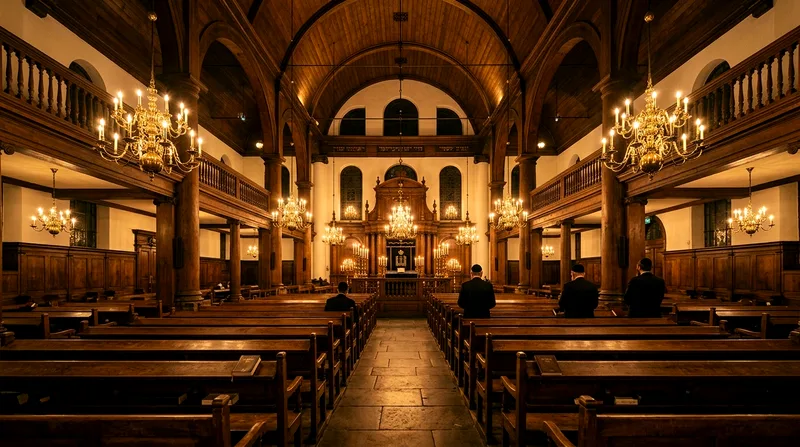
Free tours lean hard into entertainment — jokes about the Red Light District, quick stories at Dam Square — because keeping a group of 30 engaged matters more than nailing every historical date. Paid tours, especially themed ones, go deeper: a specialist Jewish history walk or a canal architecture tour assumes you want footnotes, not just punchlines. If you already know Amsterdam's basic story and want nuance, free tours will frustrate you with their surface-level pacing.
Group Size and Crowd Factor
This is where the gap between free and paid is most visible, and most people underestimate it until they're standing at the back of a crowd straining to hear.
Average group sizes
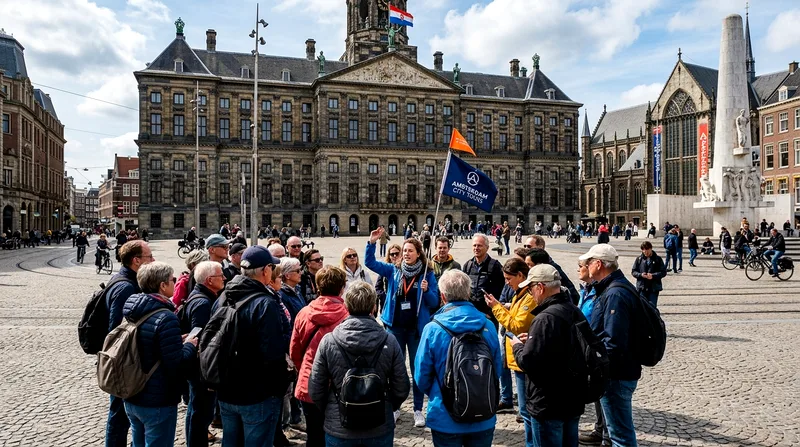
Free tours in Amsterdam regularly run 20 to 35 people in peak season, split sometimes into two guides if demand is high. Paid general tours cap out around 12 to 15. Themed and small-group paid options can run as low as 6, and private tours are just your party. Compare that to a Berlin or Paris free tour, which run similarly large, and you'll see this isn't an Amsterdam quirk — it's how the free-tour model scales economically everywhere.
Impact on experience quality
A group of 30 on a narrow Jordaan street physically can't move or listen the same way a group of 8 can. You'll miss half the guide's commentary to traffic noise and chatter, and photo stops turn into crowd-management exercises. If you've ever taken a large free tour in Rotterdam or Utrecht and found it underwhelming, it's often not the guide's fault — it's math. Smaller cities with smaller groups simply deliver better acoustics and attention per person.
Route Depth and Specialization
Free tours exist to give a wide first impression; paid tours exist to go narrow and deep. That distinction should drive your choice more than price.
Standard routes vs themed tours
Almost every free tour in Amsterdam follows a near-identical loop: Dam Square, the Red Light District's edge, a stretch of the Canal Ring, maybe a pass by Anne Frank House's exterior. Paid tours branch out — Jordaan food crawls, WWII resistance walks, LGBT history tours touching on the Homomonument and the city's gay bar history, or coffeeshop-and-cannabis-culture walks aimed squarely at weed-curious travelers. If a theme matters to you, free tours simply don't offer it; you're choosing paid almost by default.
Neighborhood coverage differences
Free tours rarely venture into Vondelpark or the quieter stretches of the Jordaan — too far from the center-city meeting point, too slow-paced for a large group on a schedule. Paid tours, especially small-group ones, can wander into residential streets and explain things like houseboat permits or gable-stone symbolism that a 30-person free tour group would never stop long enough to notice.
Who Should Choose Which Option
There's no universal winner here — just a better fit depending on your budget, patience, and curiosity level.
Best for budget travelers
Solo travelers, backpackers, and families stretching a tight daily budget get the most out of free tours — pay what you can, meet other travelers, get oriented on day one. It's also a smart first move before visiting paid sites like Anne Frank House or the Van Gogh Museum, since the guide will point out what's worth prioritizing. Compare this to Brussels or Cologne, where free tours serve the same orientation purpose — it's a reliable pattern across European cities, not something unique to Amsterdam.
Best for specialized interests
Couples, senior travelers wanting a slower pace, and anyone with a specific interest — LGBT history, cannabis culture, Jewish heritage, architecture — should book paid. You get a guide chosen for subject expertise, a group small enough to actually ask questions, and timing that doesn't depend on tip-driven ground rules. If budget allows one paid tour on the trip, make it the themed one, not a generic repeat of what the free tour already covered.
Frequently asked questions
Are free walking tours in Amsterdam actually free?
No — they're tip-based, not free. You don't pay upfront, but guides work for tips and expect roughly €10-15 per person at the end. Treat it as pay-what-you-think-it's-worth, not a genuinely no-cost activity.
How much should you tip on a free walking tour?
€10-15 per adult is the common range in Amsterdam for a 2-2.5 hour tour, paid in cash at the end. Tip more for an exceptional guide, less if the tour ran short or felt rushed — but tipping nothing at all is considered poor form given the model.
What is the difference in guide quality between free and paid tours?
Paid tour companies generally train and vet guides more formally, since their brand reputation and reviews on platforms like Viator or TripAdvisor depend on it. Free tour guides are often freelancers with self-written scripts — entertaining, but quality varies more from guide to guide and day to day.
What are typical group sizes for free vs paid walking tours?
Free tours commonly run 20-35 people in peak season. Standard paid tours cap around 12-15, themed paid tours often run 6-12, and private paid tours are just your group. Smaller groups mean better sightlines, easier questions, and less street-noise interference.
Are paid theme tours worth the extra cost?
If the theme matches your interest — LGBT history, cannabis culture, WWII resistance, Jordaan food — yes, because free tours don't offer that depth at all. For a generic "see the center" walk with no specific theme, a free tour covers the same ground for a fraction of the fixed cost.