Planning a Jordaan food walk in Amsterdam? Learn what you'll taste, guided vs self-guided options, pricing ranges, and how to book the right tour.
What Is a Jordaan Food Walk?
A Jordaan food walk Amsterdam is a guided tasting tour through one of the city's oldest residential districts, stopping at small shops, bars, and stalls for bites of Dutch food along the way. Most run 2.5 to 3.5 hours, cover roughly 1.5 to 2.5 kilometers on foot, and include between five and eight tastings — enough to count as a light meal, not enough to skip dinner entirely.
The format sits between a walking tour and a food crawl. You're not sitting down for courses; you're standing at a counter eating a warm stroopwafel, then walking ten minutes to the next stop. Groups are usually capped at 8-15 people, which keeps things personal without feeling like a private tour.
Why Jordaan is Amsterdam's food destination
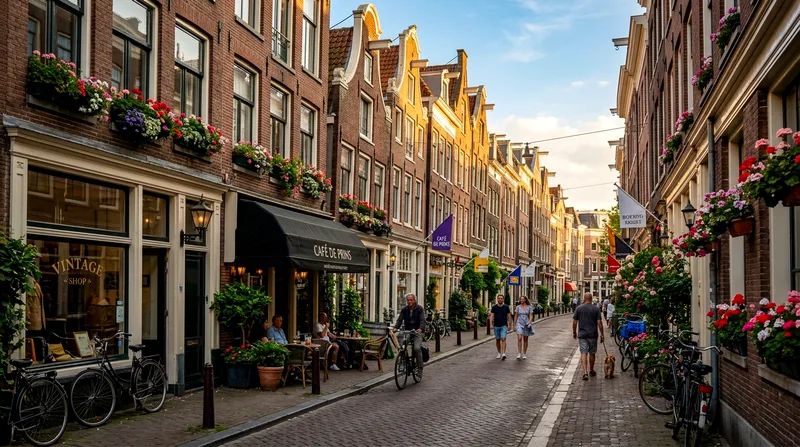
Jordaan built its food reputation differently than the city center did. It was a working-class neighbourhood until well into the twentieth century, and many of its cheese shops, bakeries, and brown bars (Dutch pubs with dark wood interiors) have operated for decades, sometimes generations. That's different from the Red Light District or Dam Square area, where turnover is high and tourist-facing restaurants dominate. Jordaan's narrow streets and canal views — part of the UNESCO-listed canal ring — give the tour a backdrop that doubles as sightseeing. You're not just eating; you're seeing gabled houses, hidden courtyards (hofjes), and local life that most Anne Frank House visitors never notice because they beeline straight back to the tram.
Typical tour experience and neighbourhood context
Expect a guide who talks as much about history as food — why the Jordaan has hofjes, how the canals were engineered, what the area looked like before gentrification. The food is the hook; the neighbourhood story is often the better part. Tours typically start near a central Jordaan point, loop through quieter side streets, and end somewhere with a final drink stop, often a jenever (Dutch gin) bar. If you want pure eating with no commentary, this isn't the right format — a self-guided crawl suits that better.
How to Visit: Guided vs Self-Guided
This is the real decision point, and it's worth being honest about trade-offs rather than pretending one option is obviously better. A guided Jordaan food walk removes the planning burden — you don't research which cheese shop gives samples versus which one is tourist-priced, and you don't waste time walking into a bakery that's sold out of stroopwafels by 2pm. The guide also handles reservations at stops that don't take walk-in groups well.
Self-guided costs less and lets you linger, skip a stop you don't like, or add one the tour wouldn't include. But you lose the local knowledge — the guide who knows the cheese shop owner lets you taste a 2-year aged Gouda you wouldn't get just walking in and asking.
A guided Jordaan food walk costs more but delivers curated tastings and local history that a self-guided route can't easily replicate.
Jordaan food walk Amsterdam: guided vs self-guided comparison
| Option | Typical cost (per person) | Duration | Tastings included | Best for |
|---|---|---|---|---|
| Guided small-group tour | €60-€100 | 2.5-3.5 hours | 5-8 | First-time visitors, couples, solo travelers |
| Private/custom tour | €100-€180+ | 2.5-4 hours | 6-8+ | Families, special occasions |
| Self-guided crawl | €15-€25 | Flexible | Variable | Independent travelers, repeat visitors |
| Single shop visits only | €5-€15 | Under 1 hour | 1-2 | Budget travelers, quick stops |
Prices are typical ranges based on standard market rates; always check current pricing and inclusions before booking.
Guided tour benefits and group dynamics
Small-group tours (8-15 people is typical) strike a workable balance: enough people that the tour runs regardless of individual cancellations, few enough that you can actually hear the guide and ask questions. Solo travelers tend to like this format because it's low-pressure social contact without commitment. Families with kids over roughly 8 years old can manage the walking distance and portion sizes fine, though very young children may find the standing-and-waiting parts tedious. Couples and senior travelers generally rate these tours well because the pace is moderate — this isn't a fitness challenge, it's a slow wander with food breaks.
Self-guided alternative and local recommendations
If you'd rather DIY, concentrate on Jordaan's main spine streets — Westerstraat, Prinsengracht, and Tweede Egelantiersdwarsstraat — where most food shops cluster. Hit a kaaswinkel (cheese shop) for samples, a bakery for stroopwafels, and a bruin café for bitterballen with mustard. Budget around €15-€25 total if you're just grazing rather than sitting for meals. The catch: you won't get the history, and some of the best small producers don't advertise or have English signage, so you might walk right past them. This suits confident, independent travelers and weed smokers who want to wander at their own rhythm rather than stick to a schedule — Jordaan also has a handful of relaxed coffeeshops if that's part of your day.
Tastings, Stops & Dutch Food Highlights
Most Jordaan food walk itineraries include five to eight stops, mixing sweet, savory, and a drink or two. Expect a cheese shop, a bakery, a herring or fish stall, a brown bar for bitterballen, and often a chocolate or liquorice stop — Dutch liquorice (drop) surprises a lot of visitors with how salty it is.
Number of tastings and typical stops
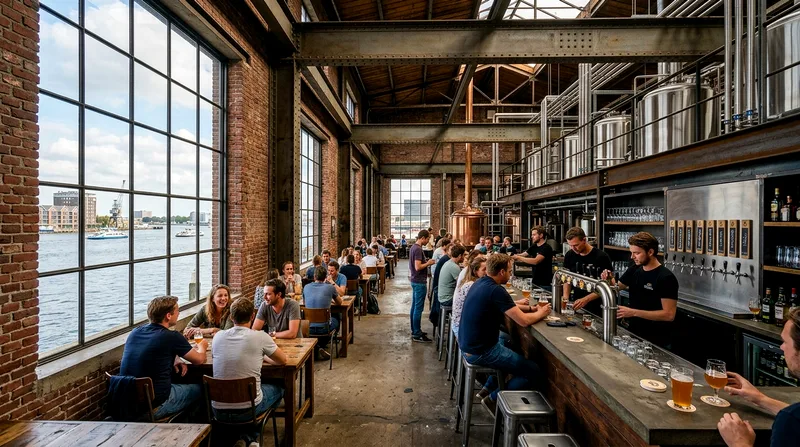
A typical route: start with a welcome drink or coffee, move to a cheese tasting (usually 2-3 varieties, young to aged), then a bakery stop for stroopwafel or apple pie, a savory stop for bitterballen or kroket, sometimes a raw herring tasting (genuinely polarizing — some guests love it, some can't finish it), and a final stop at a bar for jenever or a local beer. That's six stops on the shorter end; some operators stretch to eight by adding a chocolate shop or a deli stop for Dutch sausage.
Dutch classics: stroopwafels, bitterballen, cheese
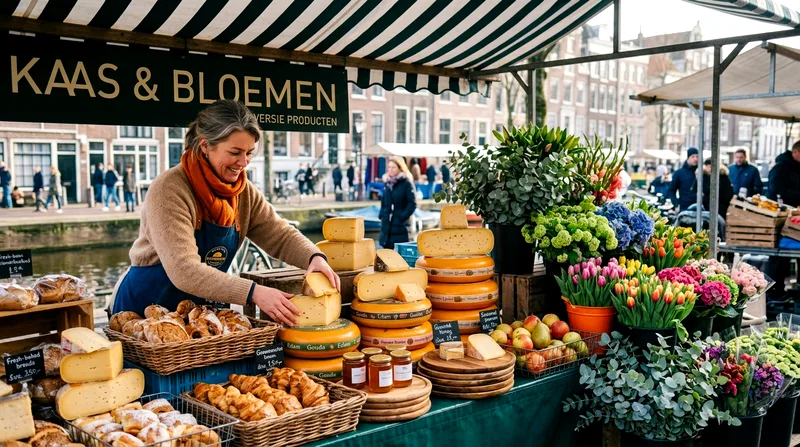
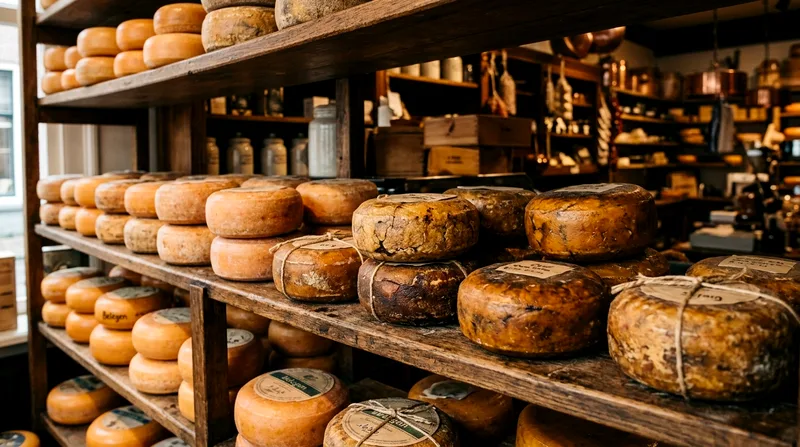
Stroopwafels — thin waffles with a caramel syrup filling — taste noticeably better warm and fresh off a griddle than the packaged versions sold at Schiphol airport, so this is a genuine upgrade over what most tourists actually experience. Bitterballen are deep-fried meat croquettes, classic Dutch bar food, best with sharp mustard. Dutch cheese ranges from young (jong) and mild to aged (oud) and almost parmesan-like in texture; a good tasting walks you through that spectrum rather than just handing you one block. If a tour skips cheese entirely, that's a red flag — it's the most defining Dutch food category and should be central, not an afterthought.
Booking, Pricing & Tour Operators
Pricing for a guided Jordaan food walk generally falls between €60 and €100 per person, depending on group size, number of tastings, and whether alcohol is included. Private or small-group premium versions can run higher. That's more than Rotterdam or The Hague food tours tend to cost, partly because Amsterdam's tourism volume supports pricier small-group formats, and partly because Jordaan real estate costs get passed on to tasting-stop pricing.
Major platforms and operator comparison
GetYourGuide and Viator both list multiple Jordaan food walk options, and it's worth comparing listings on both before booking, since the same tour sometimes appears on one platform at a slightly different price point than the other. TripAdvisor is useful mainly for reading recent reviews — check for comments about group size creeping up in peak season, which is a common complaint. Look specifically at how many tastings are promised versus how many reviewers say they actually got; discrepancies happen when operators cut corners during busy months. Compare current prices and availability on these platforms before you book, since listings change.
What's included and dietary accommodations
Most tours include all tastings and at least one drink; some add a second drink or a take-home item like a small cheese wedge. Vegetarian accommodations are usually manageable — operators swap the herring or meat-based bitterballen for a cheese or vegetable version. Vegan and gluten-free requests are harder; Dutch classics lean heavily on dairy, wheat, and fried batter, so a fully vegan tasting walk will feel thin compared to the standard version. Always message the operator in advance rather than assuming on-the-day flexibility — small shops prep tastings ahead of a group's arrival and can't always improvise.
Best Time to Book & Nearby Add-Ons
Food walks run year-round, since most stops are indoors or under awnings, but demand and comfort both shift by season.
Seasonal considerations and booking windows
May through September is peak season — book 3-5 days ahead minimum, longer if you want a specific afternoon slot during July or August when cruise ship crowds and school holidays overlap. Winter tours (November to February) often have more availability and sometimes lower prices, with the added bonus of fewer crowds in Jordaan's narrow streets, though you'll want a coat — much of the walking is outdoors between stops. Shoulder season (April, October) is arguably the best trade-off: decent weather, smaller groups, easier booking windows.
Nearby attractions and post-tour dining
The Anne Frank House sits right at the edge of Jordaan, so pairing a morning food walk with an afternoon Anne Frank House slot (book that separately and well ahead — it sells out weeks in advance) makes a sensible day. Jordaan also connects easily by foot to the wider Amsterdam canals for an evening boat tour if you want to see the same waterways from a different angle. If the tour ends mid-afternoon and you're still hungry, Jordaan has plenty of sit-down restaurants for a proper dinner later — the tastings are deliberately portioned to not fill you up completely. Compare current boat tours and museum time slots alongside your food walk booking so the day flows without backtracking across town.
Frequently asked questions
How much does a Jordaan food tour cost?
Expect to pay roughly €60-€100 per person for a standard small-group guided tour lasting 2.5-3.5 hours with five to eight tastings. Private or custom versions run higher, often €100-€180+. Prices vary by operator and season, so compare current listings on GetYourGuide or Viator before booking rather than relying on a fixed figure.
How many tastings are included in the tour?
Most Jordaan food walks include between five and eight tastings, covering cheese, a baked item like stroopwafel, a savory snack such as bitterballen, and usually one drink. Some operators add a chocolate or herring stop to reach the higher end of that range. Check the specific listing's itinerary, since this varies by company.
What Dutch foods will I taste on the walk?
Expect Dutch cheese at varying ages, fresh stroopwafels, bitterballen with mustard, and often raw herring or a cured fish sample. Some tours add Dutch liquorice (drop), apple pie, or jenever (Dutch gin) as a closing drink. The lineup leans savory-and-sweet balanced rather than a single-course focus.
Are dietary restrictions accommodated?
Vegetarian swaps are generally easy — operators substitute cheese or vegetable items for meat or fish tastings. Vegan and gluten-free accommodations are harder, since Dutch classics rely on dairy and wheat, so the tasting selection will feel more limited. Message the operator directly before booking rather than assuming last-minute flexibility.
Can I do a self-guided Jordaan food tour?
Yes — walk Westerstraat and Prinsengracht, stopping at a cheese shop, bakery, and brown bar yourself for roughly €15-€25 total. You'll save money and set your own pace, but you lose the historical context and insider shop recommendations a guide provides, and you may miss smaller producers without English signage.