Is an Amsterdam food tour worth it? Compare costs, underrated spots, guide knowledge, and portion sizes against eating solo before you book.
Options at a glance
Before weighing whether an Amsterdam food tour is worth it, you need to know what you're actually comparing. A guided food tour bundles transport between stops, a fixed tasting menu chosen by someone else, and a person talking the whole time. Self-guided eating means you pick the stops, set the pace, and pay only for what you order. Neither is objectively better — they solve different problems.
The real question isn't "which is cheaper" (solo eating almost always is) but "which gets you to better food, faster, with less wasted effort." Amsterdam's food scene rewards local knowledge more than most European capitals. Unlike Paris or Berlin, where food districts are often marked by density and visible signage, Amsterdam hides a lot of its best bitterballen stands and herring carts in spots a map app won't flag as notable. A tour buys you a shortcut through that opacity. Eating solo buys you control over pace, diet, and spend.
Most visitors land somewhere in the middle without realizing it — they do one guided walk early in the trip, then eat independently for the rest. That's not indecision, that's actually the efficient play, and we'll get to why in the verdict section.
Typical guided food tour structure
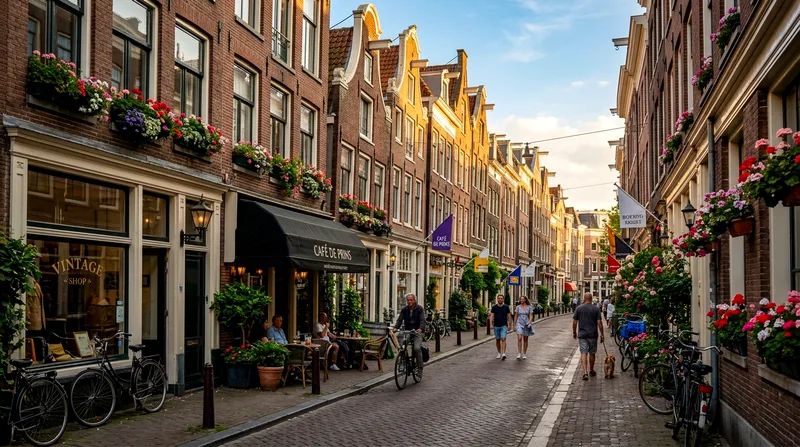
Most Amsterdam food tours run three to four hours and visit five to seven stops, covering a mix of traditional snacks — bitterballen, herring, cheese, stroopwafels — plus one or two modern or international additions reflecting the city's immigrant food history (Surinamese or Indonesian bites are common). Groups typically run 8 to 15 people, led by one guide. Walking distance is usually under 3 km, often looping through the Jordaan or along a stretch of the Canal Ring, since those areas offer enough stop density without long dead walks. Tours are generally scheduled late morning or late afternoon, timed to land before or after standard mealtimes so you arrive at vendors hungry rather than full.
Self-guided eating approach
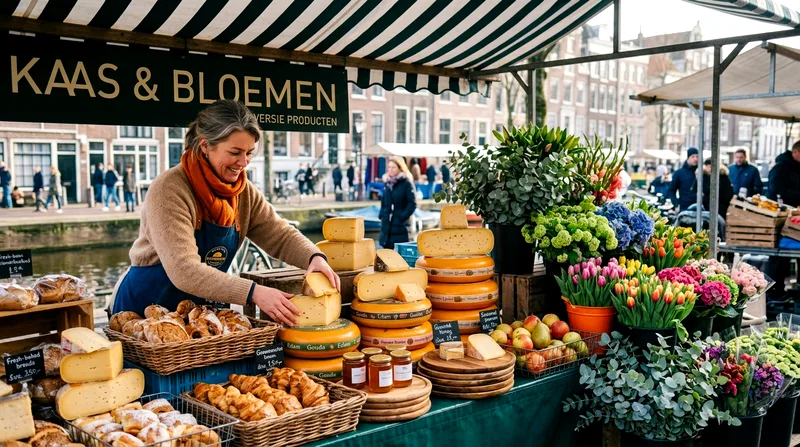
Self-guided eating in Amsterdam usually means picking a neighborhood and grazing rather than planning a single restaurant meal. The Albert Cuyp Market in De Pijp is the default starting point for independent eaters — it's long, cheap, and has stroopwafel stalls making the waffles fresh in front of you, which is worth seeking out over pre-packaged versions sold near Dam Square. From there, most self-guided eaters walk into the Jordaan for a sit-down bitterballen plate at a brown cafe, or toward a herring cart near a canal crossing. The trade-off is obvious: you need to already know where to go, or you'll spend real time wandering and guessing, and tourist-trap density near De Wallen and Centraal Station means a wrong turn can cost you a mediocre €14 plate.
Cost comparison: tour vs solo eating
Here's where the Amsterdam food tour cost question gets concrete. Guided culinary walks in Amsterdam typically run €65 to €110 per person for a three to four hour tour with five to seven tastings included. Private or small-group premium versions can run higher. That price covers the food, the guide, and often a drink or two at one stop.
Eating the same volume of food solo costs meaningfully less, assuming you know where to go. The catch is that "assuming you know where to go" is doing a lot of work in that sentence — a solo eater who stumbles into tourist-priced cafes near the Red Light District can easily spend tour-level money for worse food.
A guided food tour typically costs roughly double what the same dishes cost eaten independently, but buys context and access you won't get alone.
Amsterdam food tour cost vs self-guided eating compared
| Option | Typical cost per person | Time required | Food variety | Local knowledge gained |
|---|---|---|---|---|
| Guided food tour | €70-95 | 3-4 hours | 5-7 curated dishes | High — guide narrates history and context |
| Self-guided (Albert Cuyp Market) | €20-30 | 1-2 hours | 4-6 dishes, self-selected | Low to moderate |
| Self-guided (Jordaan crawl) | €30-45 | 2-3 hours | 3-5 dishes, sit-down included | Moderate, if pre-researched |
| Self-guided (De Wallen area) | €25-40 | Variable | Inconsistent quality | Low — tourist-priced risk |
| Private guided tour | €110-160 | 3-4 hours | Customizable, 6-8 dishes | Very high, personalized |
Figures are typical ranges; exact pricing and inclusions vary by operator and season, so check current listings before booking.
Tour pricing and what's included
Expect to pay roughly €70 to €95 for a standard group food tour, with family-friendly or daytime versions sometimes priced lower and evening or small-group tours priced higher. That fee generally includes all tastings, a guide for three-plus hours, and sometimes a canal-side drink. Children's tickets are often discounted 30-50% but portions may be adult-sized anyway, so check before assuming a kid-specific menu. Always compare current prices and inclusions when booking, since operators vary on whether alcohol or a market gift (like a cheese wedge to take home) is bundled in.
Solo eating budget breakdown
A comparable solo tasting crawl — herring from a cart (€3-5), a cone of bitterballen (€6-8), a fresh stroopwafel (€3-4), a cheese sample plate at a market stall (€5-8), and a sit-down plate of Dutch stew or a Surinamese roti (€12-16) — lands around €30 to €45 total. That's roughly half the cost of a guided tour for a similar range of dishes, though you won't get the narration, the skip-the-line access some tours arrange at popular stalls, or the guarantee that each stop is actually good.
What you gain with a guide
The honest case for a guide isn't the food itself — it's everything around it. A good guide explains why bitterballen exist (leftover stew meat, fried crisp, a bar snack born of practicality), why herring is eaten a specific way (held by the tail, chopped with onion and pickle), and why stroopwafels taste different fresh off a griddle at a market versus pre-packaged at a souvenir shop. That context changes how the food lands. Eating herring without knowing the tradition is just eating raw-ish fish; eating it after someone explains the ritual makes it memorable.
Local knowledge and underrated spots
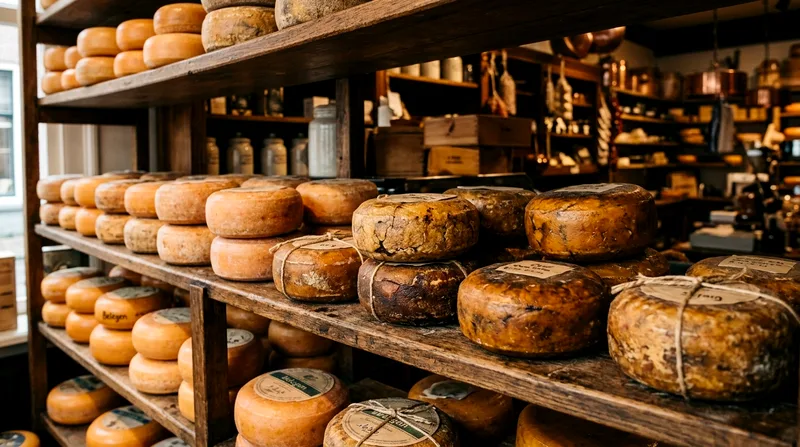
Amsterdam hides good food behind unremarkable storefronts more than Rotterdam or The Hague tend to, where food districts are newer and more deliberately signposted. A tour guide will route you to a cheese shop that's been slicing the same aged Gouda for decades, or a cart stationed on a specific bridge that locals favor over the more visible ones near Dam Square. Replicating that alone requires either luck or real pre-trip research — reading forums, cross-checking review dates, and accepting some will be outdated. The hidden food spots Amsterdam is known for rarely show up on the first page of a map search.
Portion sizes and tasting strategy
Guides generally calibrate portions so you arrive hungry and leave satisfied but not stuffed — usually small tasting-size servings rather than full plates, which lets you try six or seven different foods instead of filling up on the first two. Eating solo, it's easy to misjudge this: order a full herring plate and a full bitterballen portion back to back and you've killed your appetite before reaching the cheese stall or a Surinamese bite. If you're doing this yourself, order half portions where possible and treat it like a crawl, not a sit-down dinner.
Who should choose each option
This isn't a universal verdict — it depends heavily on who's traveling and why. A solo traveler on their first visit to Amsterdam gets more from a guided tour than a couple on their third trip who already know the Jordaan's back streets. Families with young kids often do better self-guided, since a three-hour walking tour pace doesn't suit a five-year-old's attention span or feet.
Best for guided tours
First-time visitors with one or two days in Amsterdam benefit most — a tour compresses orientation and eating into one afternoon, which matters if you're also trying to fit in a canal cruise and the Anne Frank House. Solo travelers who want built-in social contact also do well here; group tours are one of the easier ways to have a conversation with strangers without forcing it. Older travelers or those with mobility concerns should check the walking distance in advance, since some routes exceed 3 km with uneven canal-side cobblestones.
Best for self-guided eating
Budget travelers, repeat visitors, and anyone with dietary restrictions should lean self-guided. A guided tour's fixed menu rarely accommodates vegetarian, halal, or allergy needs gracefully — you'll often just skip a course and pay full price anyway. Travelers combining Amsterdam with a wider Benelux trip — say, Bruges for chocolate and Brussels for waffles — often prefer the self-guided model everywhere, since it keeps a consistent, flexible rhythm across cities rather than booking a guide in every stop.
The verdict
Is an Amsterdam food tour worth it? For a first visit, generally yes — the Amsterdam food tour value proposition rests on time saved and context gained, not on the food being unreplicable. You're paying €40-60 more than a solo crawl would cost, in exchange for guaranteed-good stops, historical context, and zero research time. For a second visit, or for budget-conscious travelers comfortable doing fifteen minutes of homework beforehand, self-guided eating wins outright on cost and lets you adjust pace, skip dishes you don't like, and linger where you want.
Don't book a tour expecting a full meal — treat it as a curated snack crawl and eat a light breakfast beforehand, not after. And don't assume self-guided means cheaper by default — wandering into De Wallen hungry without a plan often costs as much as a tour with worse food. The smartest middle path, and one a lot of repeat visitors land on without planning it, is booking one guided tour early in the trip to learn the city's food geography, then eating independently for the rest of the stay using what you picked up.
Frequently asked questions
How much does an Amsterdam food tour cost?
Standard group food tours typically cost €70 to €95 per person for three to four hours and five to seven tastings. Private or small-group versions run €110 to €160. Always check current pricing when booking, since inclusions like drinks or take-home items vary by operator.
Can you find the same food spots alone?
Some, yes — Albert Cuyp Market and well-known Jordaan cafes are easy to find independently. The harder-to-find stalls and specific bridges where locals buy herring or cheese require research or local tips, which is the main thing a guide shortcuts for you.
Do food tours include enough food?
Most tours serve tasting-size portions across five to seven stops, which adds up to a full meal's worth of food but arrives spread out. Eat a light breakfast beforehand rather than skipping meals entirely, since the pacing assumes you're moderately hungry at the start.
Is a food tour worth it for budget travelers?
Generally no. Self-guided eating costs roughly half as much for similar variety, and budget travelers who are comfortable with some pre-trip research can replicate most of the experience by visiting Albert Cuyp Market and a couple of Jordaan cafes directly.
What neighborhoods have the best self-guided eating?
The Jordaan offers the best mix of brown cafes and bitterballen without heavy tourist pricing. Albert Cuyp Market in De Pijp is best for cheap grazing and fresh stroopwafels. Avoid relying solely on De Wallen, where proximity to Centraal Station inflates prices without improving quality.