Complete Amsterdam coffeeshop guide for first-timers: rules, age limits, menu terms, etiquette, and which neighborhoods to choose.
What Are Amsterdam Coffeeshops?
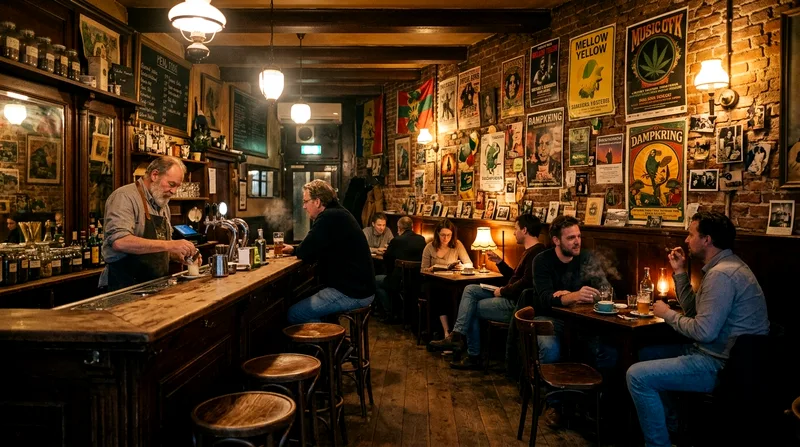
An Amsterdam coffeeshop guide has to start with the basics, because the name itself trips people up. A coffeeshop in Amsterdam isn't a café — it's a licensed venue where adults can legally buy and consume cannabis on-site. Coffee is usually an afterthought, often instant or from a machine in the corner. You go there for the menu on the wall, not the espresso.
The Netherlands never fully legalized cannabis — it decriminalized and tolerated it through a specific policy framework dating to the 1970s, known as the gedoogbeleid (toleration policy). That distinction matters more than most visitors realize. Coffeeshops operate in a legal grey zone: selling small amounts to the public is tolerated and regulated, but cultivation and wholesale supply technically remain illegal. It's a contradiction the Dutch have lived with for decades, and one reason supply chains and quality can vary shop to shop.
I'd rather be upfront about a trade-off here: because of this grey-zone status, coffeeshops can't advertise, can't sell alcohol alongside cannabis, and face strict rules on how much they can hold in stock. That keeps things controlled, but it also means the experience is deliberately understated — don't expect flashy branding or tasting notes like you'd get at a Colorado dispensary. If you want that kind of polish, you won't find it here, and that's by design, not neglect.
Coffeeshops vs. coffee houses
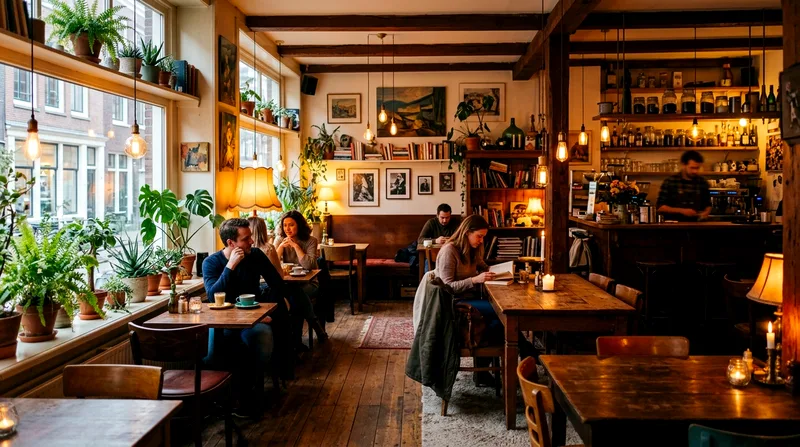
This confuses almost every first-timer. A "coffeeshop" sells cannabis and typically soft drinks or snacks — no alcohol, ever. A "coffee house" or regular café (koffiehuis) is just a normal place serving coffee and pastries, with zero connection to cannabis. The signage rarely spells this out, so if you're wandering near Centraal Station looking for a quick espresso, check before you sit down — some tourists have ordered a latte at what turned out to be a cannabis venue, and vice versa. Staff are generally patient about the mix-up, but it wastes time you could spend somewhere better suited to what you actually want.
Legal status and toleration policy
Coffeeshops need a municipal license, can't be within 250 meters of a school, and can't sell more than 5 grams per person per transaction. Local councils can also cap the total number of licenses — Amsterdam has roughly 160-odd coffeeshops, down from several hundred in the 1990s as the city tightened licensing and closed shops near schools and the Red Light District's most congested streets. That number keeps shrinking slowly, so a shop you read about in an old blog post may no longer exist — always check it's still open before building plans around it.
Legal Rules and Age Requirements
The rules are short enough to actually remember, which is more than you can say for most Dutch bureaucracy. You must be 18 or older. You need photo ID — passport, EU national ID card, or driving license. Staff check IDs routinely, including on people who clearly look over 30, so don't take it personally or leave your passport at the hotel assuming you won't need it.
Smoking cannabis is only legal in licensed coffeeshops or private residences — not on the street, not in parks, not outside Centraal Station, and not in most hotel rooms (many explicitly ban it and will charge a cleaning fee if they catch you). Amsterdam has also restricted outdoor smoking of weed in parts of the Red Light District since 2023, part of a broader push to de-emphasize the area as a party destination. Tobacco mixing is common in joints here — a detail that surprises Americans used to pure-flower joints — and smoking any tobacco indoors in public venues has technically been banned since 2008, though enforcement inside coffeeshops is inconsistent and varies by shop.
Age restrictions and ID requirements
Eighteen is the hard legal floor, no exceptions, no parental consent workaround. Expect a doorperson or the counter staff to ask for ID before you even look at the menu, particularly at busier shops near Dam Square or Leidseplein. A scanned or photographed ID won't do — bring the physical document. If you're traveling with teenagers, know that most coffeeshops won't let anyone under 18 inside at all, not even to sit in the coffee-drinking section, so factor that into family itinerary planning around the city centre.
Purchase limits and regulations
Five grams is the maximum per person per day, per transaction — and that's genuinely more than most casual users need in one visit. You cannot take cannabis across Dutch borders; this is still a criminal offense at ports, airports, and land crossings into Germany or Belgium, no matter how casual the Dutch attitude feels on the ground. Don't buy "for the trip home." Customs dogs at Schiphol and at the Belgian and German borders are trained for exactly this, and the penalty isn't worth the handful of grams you'd save.
Coffeeshop Etiquette and Behavior
Coffeeshop etiquette in Amsterdam is mostly about staying low-key — the culture here is closer to a quiet pub than a tourist attraction, even though plenty of tourists treat it otherwise. Loud groups, filming staff or other customers, or treating a visit like a dare tends to annoy both the staff and the regulars, and it's the quickest way to get asked to leave. Most shops are cash-only or card-only depending on the venue — card payment has become more common but isn't universal, so carry some cash as backup.
Ordering and payment practices
Take your time at the counter — staff expect questions from first-timers and would rather explain strength and dosing than sell you something too strong. Buy only what you plan to use that day; the 5-gram limit exists partly to discourage stockpiling. Many coffeeshops have a seating area separate from the counter — sit, order a drink if you want one, and don't smoke right at the counter while others are trying to order.
Social norms and respect
Don't offer to share with strangers unprompted, don't ask staff to smoke with you, and don't photograph other customers — this applies even in relaxed, LGBT-friendly spots where the atmosphere feels social. If you're a heavier smoker at home, resist the urge to prove it; Amsterdam flower and hash are often stronger than what's available elsewhere in Europe, and overdoing it in public is the most common way first visits go wrong.
Best Neighborhoods and Recommendations
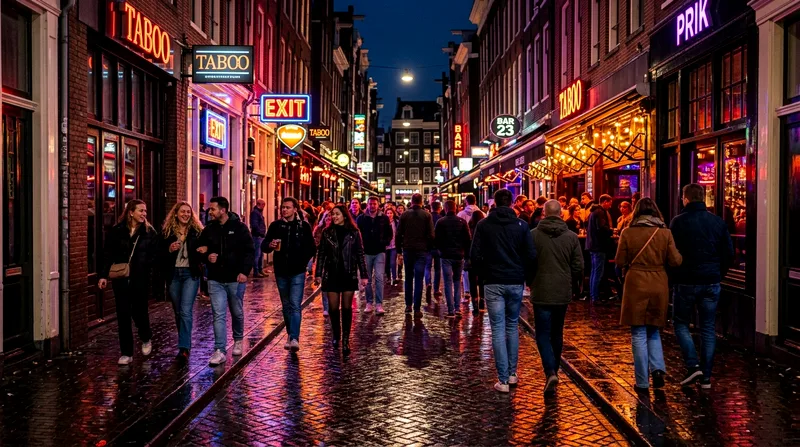
Where you go matters almost as much as what you order. The Red Light District and the surrounding city centre have the highest concentration of coffeeshops, which means convenience but also crowds, queues, and a louder, more tourist-heavy vibe — Centraal Station is a five-to-ten-minute walk from several well-known shops, which is exactly why they're busiest. If you want fewer tourists and a more neighborhood feel, the Jordaan offers a quieter, more local alternative with smaller, calmer shops tucked between canals and boutiques.
The Red Light District offers convenience and crowds, while the Jordaan trades queue time for a quieter, more local atmosphere.
Amsterdam coffeeshop neighborhoods compared for first-time visitors
| Area | Crowd level | Walk from Centraal Station | Best for |
|---|---|---|---|
| Red Light District | High, especially weekends | 5-10 min | First-timers wanting convenience |
| City centre (Dam/Leidseplein) | High | 10-15 min | Combining with sightseeing |
| Jordaan | Low to moderate | 15-20 min | Quieter, local feel |
| De Pijp | Moderate | 25-30 min (or tram) | Mixing with local bars and markets |
Crowd levels shift by day and season; always check a shop's current hours before visiting.
Red Light District and city centre
This is where most first-timers end up simply because it's central and walkable from Centraal Station. Paradox Café, technically just outside the Jordaan but easy to combine with a centre-based day, is known for a relaxed, almost café-like atmosphere rather than a smoke-heavy den — a good entry point if you're nervous. Within the Red Light District itself, expect queues at peak hours (Friday and Saturday evenings especially) and a younger, louder crowd. If you dislike crowds, go before 6pm on a weekday.
Jordaan and quieter alternatives
The Jordaan rewards people who want a slower, more local experience — fewer stag parties, more regulars reading a newspaper. Grey Area, a small, well-regarded shop near the centre-Jordaan border, is known among connoisseurs for curated, high-quality strains rather than volume, though it's tiny and can fill up fast. If you want food alongside your visit, Barney's Breakfast Bar near Centraal Station pairs a coffeeshop with an actual breakfast menu, useful if you want to eat something substantial before or after rather than wandering off hungry. Compare a few options on neighborhood walking maps before you go — proximity to your hotel often matters more than reputation.
Frequently asked questions
What are the rules for Amsterdam coffeeshops?
You must be 18 or older with valid photo ID, purchases are capped at 5 grams per person per transaction, cannabis can only be smoked inside the coffeeshop or at a private residence, and shops cannot sell alcohol. Taking cannabis across any Dutch border, including into Belgium or Germany, remains illegal regardless of the amount.
What is the legal age to enter a coffeeshop in Amsterdam?
Eighteen, with no exceptions. Staff check ID routinely regardless of how old you appear, and a physical passport, EU ID card, or driving license is required — photos or scans on your phone won't be accepted.
What is the difference between a coffeeshop and a coffee house?
A coffeeshop sells cannabis for on-site consumption and usually just soft drinks or snacks alongside it. A coffee house, or regular café, serves only coffee, tea, and food with no connection to cannabis at all. The names look similar but the products are completely different, so check signage before sitting down.
What should I know about dosing and consumption?
Dutch cannabis is often stronger than what visitors are used to, with THC percentages frequently above 20%. Start with a quarter to half a joint and wait 15-20 minutes before having more. Be especially cautious with edibles like space cakes — effects can take 45-90 minutes to kick in, so eating more because "nothing's happening yet" is the most common beginner mistake.
Which neighborhoods have the best coffeeshops for first-timers?
The city centre and Red Light District are the most convenient, within a 10-minute walk of Centraal Station, but they're also the busiest and loudest. The Jordaan offers smaller, calmer shops with more of a local feel, roughly a 15-20 minute walk from the station — worth the extra distance if you want to avoid queues and crowds.