A practical 3 days in Amsterdam itinerary covering museums, canal cruises, neighborhoods and a day trip, with booking tips and realistic timings.
Who This Itinerary Is For
Three days is the sweet spot for experiencing Amsterdam's world-class museums, iconic canals, lively neighborhoods, and a memorable day trip — without feeling rushed. This itinerary works for first-time visitors who want the Rijksmuseum and Anne Frank House ticked off properly, for couples who want at least one evening with no plan at all, and for families who need built-in breaks (Vondelpark exists for a reason).
It's less suited to travelers chasing a slow, single-neighborhood holiday, or anyone who hates walking — Amsterdam's center is compact, but cobblestones, bike traffic, and canal bridges add up to 10,000+ steps a day easily. If that's not for you, consider Rotterdam instead, which is flatter, more spread out, and built around modern architecture rather than 17th-century streets.
Solo travelers and weed smokers will find the pace forgiving enough to detour into a coffeeshop in De Pijp or Jordaan without derailing the schedule. LGBT travelers should know Amsterdam's Reguliersdwarsstraat nightlife strip sits a 10-minute walk from Dam Square, easy to fold into Day 2 or Day 3 evenings. Senior travelers can do this itinerary at a slower clip by cutting one neighborhood walk and adding a sit-down canal cruise instead — the boats do the walking for you.
Day 1: Museums & Canal Cruises
Day one is front-loaded with the two attractions that sell out fastest, so this is the day your advance bookings matter most. Expect to be on your feet from roughly 9am to 9pm, with a proper lunch break built in.
Each day of this 3-day Amsterdam itinerary centers on one or two bookable experiences best tackled at a specific time of day.
3 days in Amsterdam itinerary: daily highlights, duration and best timing
| Day | Main Activity | Typical Duration | Best Time to Go |
|---|---|---|---|
| Day 1 | Rijksmuseum + Van Gogh Museum + canal cruise | 6-7 hours | Open at 9am, cruise at sunset |
| Day 1 (alt) | Anne Frank House (rain backup) | 1 hour | Pre-booked slot, any time |
| Day 2 | Albert Cuyp Market + Jordaan + Nine Streets | 6-8 hours | Market before 11am, shops afternoon |
| Day 3 | Alkmaar Cheese Market day trip | 4-5 hours | Friday mornings, April-September only |
| Day 3 (alt) | Utrecht day trip | 3-4 hours | Any day, trains frequent |
| Day 3 evening | Brewery visit + canal dinner | 2-3 hours | Late afternoon into evening |
Typical figures based on standard opening hours; always confirm current museum and market schedules before you travel.
Morning: Rijksmuseum & Van Gogh Museum
Start at the Rijksmuseum at opening time, usually 9am — arriving later means queuing behind tour groups. Give yourself two hours minimum; Rembrandt's "The Night Watch" and the Delftware collection alone justify that. Tickets run roughly €22-25 for adults and must be timed-entry; buy online at least a few days ahead for weekends.
Walk five minutes to the Van Gogh Museum next and budget 90 minutes to two hours. It holds the largest Van Gogh collection anywhere, including multiple versions of the sunflowers series, and tickets (around €20-22) sell out days in advance during summer — this is the one booking you genuinely cannot leave to chance. If you only have energy for one museum, pick the Van Gogh Museum over the Rijksmuseum; it's more focused and less overwhelming for a first visit.
Afternoon & Evening: Canal cruise and Dam Square
After lunch near Museumplein, walk or tram (line 2 or 12) toward Dam Square, the city's historical center and a useful orientation point — the Royal Palace and National Monument sit here. From Dam Square, it's a short walk to the canal boat docks.
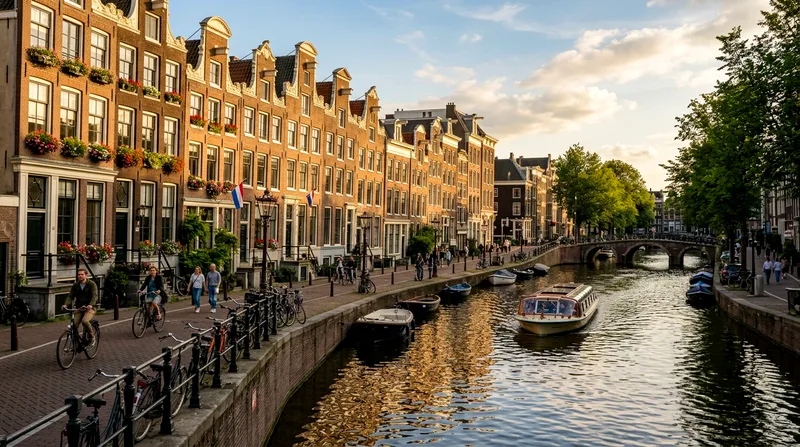
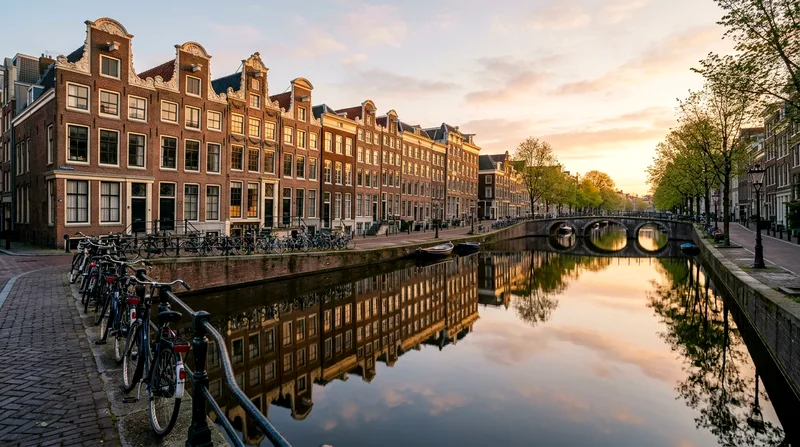
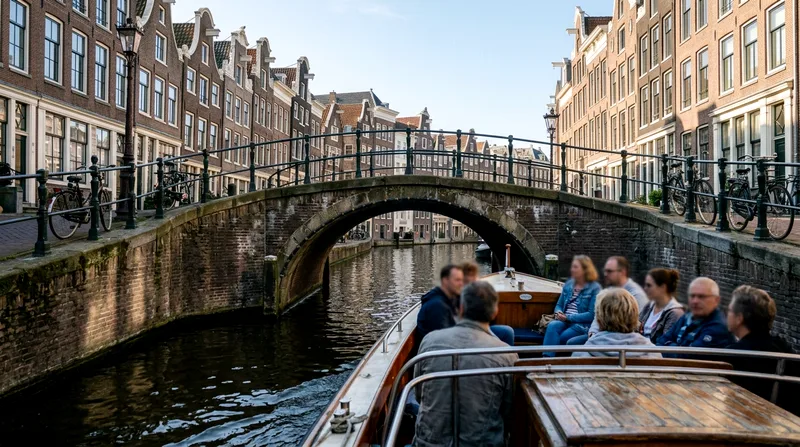
Book a canal cruise for late afternoon or sunset rather than midday; the light on the Canal Ring (a UNESCO World Heritage site) is better, and boats are less crowded than the 11am rush. A one-hour cruise typically costs €18-20; some operators add evening cheese-and-wine versions for more. Compare current canal cruise times and prices before booking — slots fill up on weekends. If you'd rather skip the boat, Amsterdam's free alternative is walking the Canal Ring on foot between Herengracht and Prinsengracht at dusk, though you miss the water-level perspective that makes the cruise worth it.
Bad-weather backup: the Anne Frank House (book this weeks ahead — tickets release six weeks out and vanish fast) can swap in for the canal cruise if rain hits; it's indoors and takes about an hour.
Day 2: Neighborhoods & Markets
Day two trades museums for street life — markets, canal-side neighborhoods, and more wandering than scheduling. It's the easiest day to adjust if your legs are tired from Day 1.
Morning: Albert Cuyp Market and De Pijp
Head to De Pijp, a former working-class district now full of independent cafés and a genuinely mixed crowd of students, young families, and long-term residents. The Albert Cuyp Market runs Monday to Saturday, roughly 9am to 5pm, with stroopwafel stalls, cheap textiles, and produce — go before 11am to beat the crowds. Grab a stroopwafel made fresh on the griddle rather than the packaged version; it's a few euros more but the difference is real.
De Pijp has more good coffee per square meter than Jordaan, in my opinion, and it's where locals actually eat lunch rather than tourists. If markets bore you, swap this for an hour in Vondelpark instead — Amsterdam's answer to Hyde Park, free to enter, good for a picnic or a bike ride.
Afternoon & Evening: Jordaan and 9 Streets
Tram or walk to Jordaan, a former artisan quarter now dense with boutiques, bars, and some of the city's best brown cafés (traditional Dutch pubs with dark wood interiors). Wander without a fixed route for an hour or two — this neighborhood rewards getting lost more than any checklist.
From Jordaan, the Nine Streets (De 9 Straatjes) connect naturally — a grid of small shopping streets between the main canals, good for independent fashion and vintage shops rather than chains. Expect this stretch to eat up two to three hours if you actually browse. Dinner here beats Dam Square, where restaurant quality drops noticeably and prices rise for tourist volume — a pattern similar to what you'd find near Brussels' Grand Place or Paris near the Eiffel Tower.
Day 3: Day Trip & Evening Exploration
Your third day breaks the city pattern with a half-day trip outside Amsterdam, then returns for a relaxed final evening. This is the day most itineraries skip, and it's the one I'd argue hardest to keep.
Morning: Alkmaar Cheese Market day trip
The Alkmaar Cheese Market is seasonal — it runs on Friday mornings roughly April through September, from about 10am to 1pm, so check the calendar before committing this day. Trains from Amsterdam Centraal take about 35-40 minutes and run frequently; a return ticket costs roughly €15-18 depending on class. The market itself is more theater than commerce now — porters in traditional costume carry cheese wheels on wooden sledges — but it's a genuinely different pace from the city, and Alkmaar's old town is worth an extra hour of wandering.
If your dates don't line up with a Friday, swap in Utrecht instead: 30 minutes by train, canals at a lower, more walkable level than Amsterdam's, and no cheese-market schedule to work around. The Hague works too if you want sea air and the Mauritshuis museum, though it's a longer round trip at just under an hour each way.
Evening: Local breweries and canal-side dining
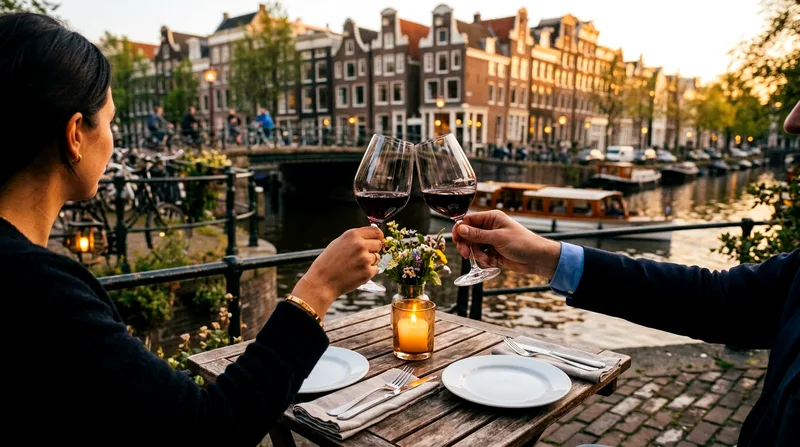
Back in Amsterdam by mid-afternoon, there's time for a brewery visit — Brouwerij 't IJ, under a windmill near the Oosterpark, is a solid, unpretentious choice, open afternoons with tours running on a fixed schedule worth checking ahead. Finish with canal-side dinner in the Canal Ring or Jordaan; book ahead for anywhere with outdoor seating in summer, since tables along the water go fast after 6pm.
This is the slot to drop if you're exhausted — skip the brewery and just sit by a canal with a beer from a corner shop. Nobody's checking.
Getting Around Amsterdam
Amsterdam's center is small enough to walk most of this itinerary, but trams fill the gaps well. A GVB day pass (around €9 for 24 hours) covers unlimited tram, bus, and metro rides, and pays for itself after three or four trips. Avoid buying single tickets repeatedly — at roughly €3.40 each, they add up fast.
Renting a bike is tempting and genuinely useful, but it's not for everyone. If you're not used to city cycling, Amsterdam's bike traffic is faster and denser than Berlin's or Cologne's, and locals don't slow down for tourists wobbling in the bike lane. A day rental runs about €10-15; try it only if you're reasonably confident, and never in the Canal Ring during rush hour (8-9am, 5-6pm).
Walking remains the best way to actually see the Canal Ring and Jordaan — trams skip the narrowest, prettiest streets entirely. Taxis and Uber exist but cost more than almost any other Northern European capital relative to distance; a short ride across the center can run €15-20.
Where to Base Yourself
Where you sleep shapes how much of this itinerary feels effortless versus exhausting. Amsterdam's center is small, but neighborhood choice still matters for noise, price, and walking distance to Day 1's museums.
Central Canal Ring
Staying inside the Canal Ring puts you within 15-20 minutes' walk of everything in this itinerary — Dam Square, the museums, Jordaan, and most canal cruise departure points. Expect to pay a premium for it: hotel rooms here commonly run €150-250 a night, more during peak season (April-September). It's also the loudest option near nightlife streets, so ask specifically for a quiet room if you're a light sleeper or traveling with young kids.
De Pijp and Jordaan neighborhoods
De Pijp and Jordaan both sit a 15-25 minute tram or walk from the center and cost noticeably less — often €100-180 a night for comparable quality. De Pijp suits travelers who want real neighborhood life and don't mind a tram ride to museums; Jordaan suits those who want canals and quiet without center-of-everything prices. Compared to basing yourself in Bruges or central Brussels for a multi-city European trip, Amsterdam's accommodation costs run higher across the board, so booking three or four months ahead for these neighborhoods saves real money.
Frequently asked questions
Is 3 days enough time in Amsterdam?
Yes, for the core experience — the major museums, the Canal Ring, two or three neighborhoods, and one day trip. You won't see everything (the Rijksmuseum alone could absorb a full day), but three days avoids the rushed feel of a 24-hour layover visit while still leaving a day trip slot, which two days rarely allows.
What are the worth seeing museums in Amsterdam?
The Van Gogh Museum and the Rijksmuseum are the two non-negotiables, both near Museumplein. The Anne Frank House is a close third, though it requires booking weeks in advance since tickets release on a rolling six-week window and sell out almost immediately.
Should I take a canal cruise?
It's worth it once, ideally at sunset rather than midday. A standard one-hour cruise costs around €18-20 and gives you a water-level view of the Canal Ring you can't get on foot. Skip it only if you've already done a similar boat tour in a canal city like Bruges or Utrecht and want to save the time instead.
Which neighborhoods should I explore?
Jordaan for canals and boutique shopping, De Pijp for markets and everyday local life, and the Nine Streets for independent fashion between the main canals. Each takes roughly half a day to explore properly without rushing.
What day trips can I take from Amsterdam?
Alkmaar for its Friday cheese market (seasonal, April-September, 35-40 minutes by train) is the classic choice. Utrecht (30 minutes) and The Hague (under an hour) work as reliable alternatives any day of the week, with Utrecht offering canals and a calmer version of Amsterdam's center.