Compare open-air small boats vs covered canal cruises in Amsterdam. See differences in comfort, views, weather, price, and crowds to pick the right tour.
Open Boats vs Covered Cruises at a Glance
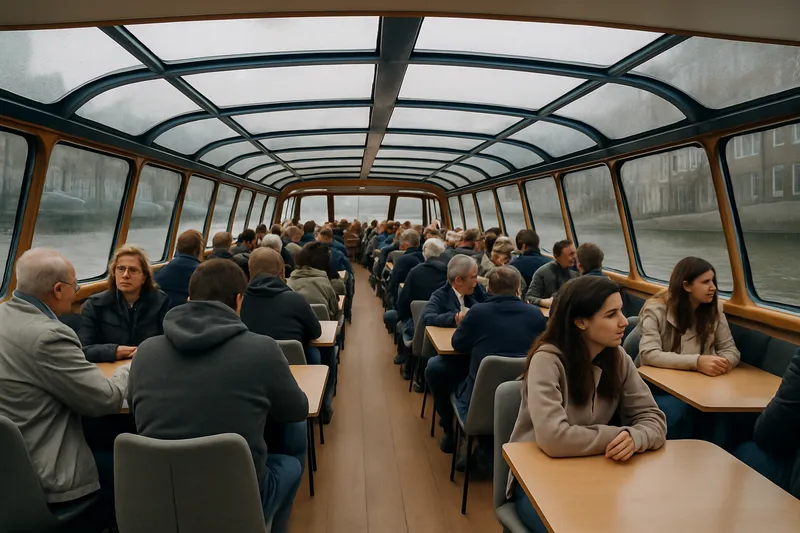
Amsterdam's canal tour market splits into two fundamentally different products, and the choice matters more than most booking sites let on. One is a small, often wooden or fiberglass sloop with no roof, seating 6 to 12 people and usually run by a single skipper who narrates as they steer. The other is a large glass-roofed cruise boat, sometimes carrying 80 to 150 passengers, running on a fixed timetable with recorded or live commentary piped through speakers.
The difference isn't just aesthetic. An open boat puts you at water level with nothing between you and the 17th-century facades of the Jordaan or the Herengracht — you feel the temperature change under bridges, hear water lapping the hull, and can talk normally with the person next to you. A covered cruise insulates you from all of that. You're warmer, drier, and more stable, but you're also watching the city through glass, often with reflections ruining your photos and a tour guide's voice competing with twenty other conversations.
Neither is objectively "better" — they solve different problems. If you want intimacy and real views, the open boat wins. If you want predictability and shelter, the covered cruise wins. The mistake is booking the covered cruise by default because it's cheaper per-seat and shows up first in search results.
What defines an open boat tour
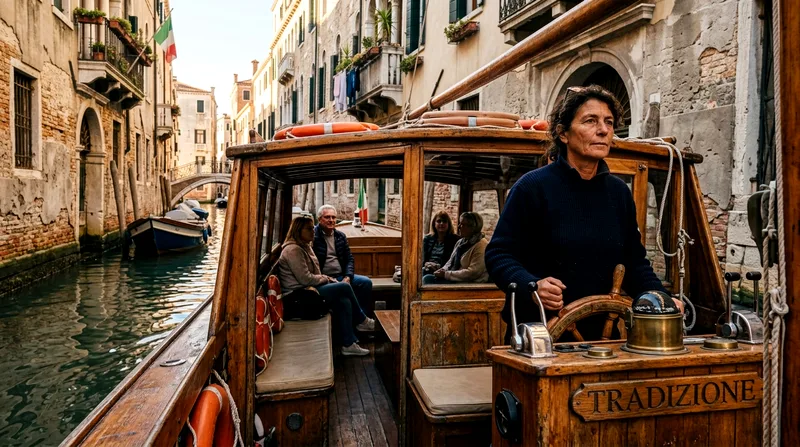
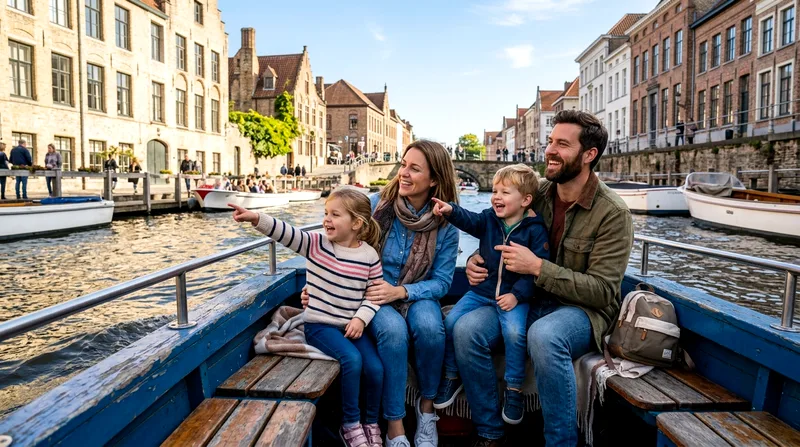
Open sloop boats are the small, low-sided vessels you'll see operators like Pure Boats or Kin Boat running — typically 6 to 12 guests, sometimes fewer on private charters. There's no roof, though most carry blankets and some have a small canopy for light rain. The skipper usually doubles as guide, which means commentary is conversational rather than scripted, and routes can flex slightly if a canal is congested or a bridge is closed. Capacity limits mean these trips often require booking a day or two ahead in peak season (roughly June through August), and some operators run them as private charters rather than shared tours, which pushes the per-person cost up if your group is small.
What defines a covered cruise
Covered cruises are the large glass-topped boats operated by companies like Lovers.nl and Amsterdam Canal Company, departing on fixed schedules — often every 15 to 30 minutes from docks near Centraal Station or Damrak. These run year-round regardless of weather, seat large groups, and usually include a toilet on board, which open boats never have. Commentary is pre-recorded in multiple languages through headsets or speakers. The trade-off is atmosphere: you're one of a hundred passengers, the windows get smudged or steamed, and the boat's size means it can't duck into the narrower residential canals an open sloop can access.
Head-to-Head: Time, Cost, Comfort, and Views
Breaking this down by the factors that actually affect your decision — not marketing copy — makes the trade-offs clearer.
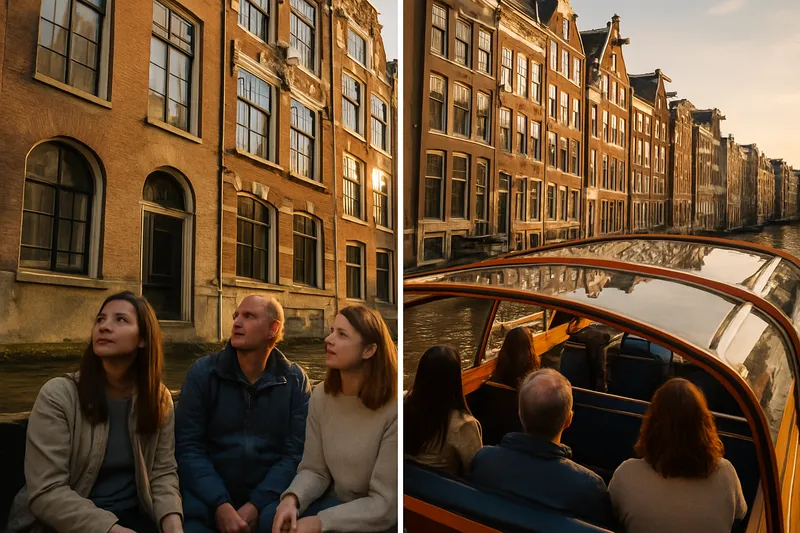
Open boats win on views and atmosphere; covered cruises win on comfort, weather protection, and group size.
Amsterdam open boat vs covered cruise: key differences compared
| Tour Type | Typical Duration | Group Size | Weather Protection | Best For |
|---|---|---|---|---|
| Open sloop boat (shared) | 60-90 min | 6-12 people | Minimal, blankets only | Couples, photographers, small groups |
| Open sloop boat (private charter) | 90-120+ min | 2-12 people | Minimal, blankets only | Small groups wanting flexibility |
| Covered glass-top cruise | 60-75 min | 80-150 people | Full shelter, heating | Families, seniors, large groups |
| Hybrid boat (sliding windows) | 60-90 min | 20-40 people | Partial, adjustable | Travelers wanting a middle ground |
Figures are typical ranges based on common Amsterdam canal tour formats; always check specific boat type and current prices before booking.
Duration and route coverage
Covered cruises typically run 60 to 75 minutes on a fixed loop covering the main canal belt — Prinsengracht, Herengracht, and a stretch past the Skinny Bridge. Open boat tours vary more: standard shared trips run around 90 minutes, while private charters can run 2 hours or longer and often let you request detours, a stop near a bar, or extra time in a particular stretch like the Jordaan's quieter waterways. If you only have one evening in Amsterdam and want to see the most in the least time, the covered cruise's efficiency is hard to beat. If you want to actually experience one neighborhood's canals properly, the open boat's flexibility wins.
Price levels and value
Covered cruises are generally the cheaper per-seat option because volume keeps prices down — shared tours. Open sloop tours cost more per person on shared departures, and considerably more if you book a private boat for a small group, since you're paying for the whole vessel and skipper regardless of headcount. For a family of four, a private open boat can end up costing roughly the same as four covered cruise tickets, which is where the real decision point sits. Always compare current prices when booking, since seasonal demand shifts rates more on open boats than on the fixed-schedule covered cruises.
Seating comfort and amenities
Covered cruises win outright on comfort: padded seats, heating in winter, a toilet, and often a small bar selling drinks. Open boats offer bench or cushioned seating with no facilities — if the trip is longer than an hour, that matters, especially for older travelers or anyone with joint issues who needs to shift position. Some open boats have sliding windows or partial canopies that let you choose between open air and light shelter, which is a reasonable middle ground worth asking about specifically when booking.
Photography and sightseeing quality
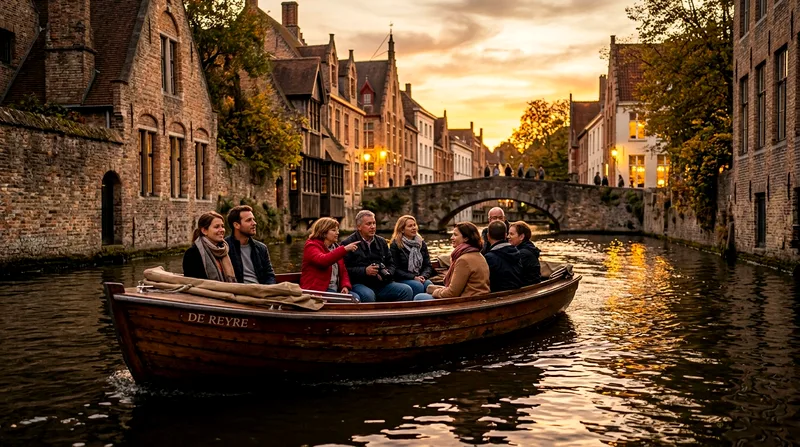
This is where open boats are clearly superior. No glass, no reflections, no glare — just direct sightlines to gabled houses, houseboats, and bridges at eye level. Golden hour on an open sloop produces far better photos than anything shot through a cruise boat's windows. Covered cruises can still work for video thanks to stabilized footage and a higher vantage point on double-deck models, but still photography suffers almost every time.
Weather, Crowds, and Seasonal Considerations
Amsterdam's canal tour weather problem is real and underrated by first-time visitors who assume a European city in summer means guaranteed sunshine. It doesn't — rain showers pass through unpredictably even in July, and wind off the IJ can make an open boat genuinely cold even in June.
Rain and wind resilience
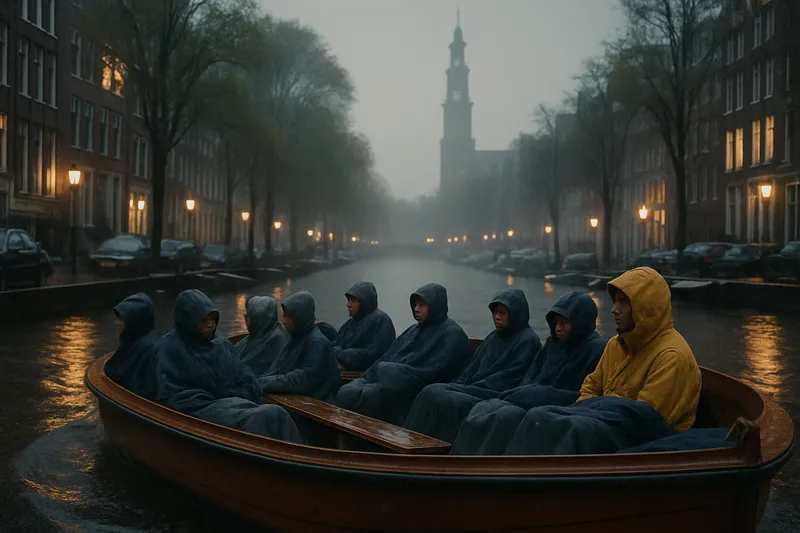
Covered cruises run regardless of weather, which is their biggest practical advantage. Open boats usually still operate in light rain — most carry waterproof blankets and ponchos — but heavier rain or strong wind can mean a shortened route or, in rare cases, cancellation with a rebooking offer. If you're traveling in November through February, or if your trip dates are fixed and non-negotiable, the covered cruise removes a real risk. Threads on Reddit's Amsterdam forum and local Facebook travel groups frequently mention disappointed travelers who booked an open boat in October without a backup plan.
Summer vs winter experience
From roughly May through September, the open boat experience is genuinely better — warm evenings, long daylight, and the chance to see the canals at golden hour around 8-9pm in June and July. In winter, the calculation flips: a covered cruise with heating past twinkling lights on the canals in December has its own charm, and you won't be fighting wind chill for an hour. Crowds follow the same pattern — covered cruise docks near Centraal Station get genuinely congested with tour groups in peak summer, while open boats, especially private ones, let you dodge the worst bottlenecks by departing from quieter moorings.
Who Should Book Which Option
There's no universal right answer here — it depends on who's traveling and why.
Best for photographers and views
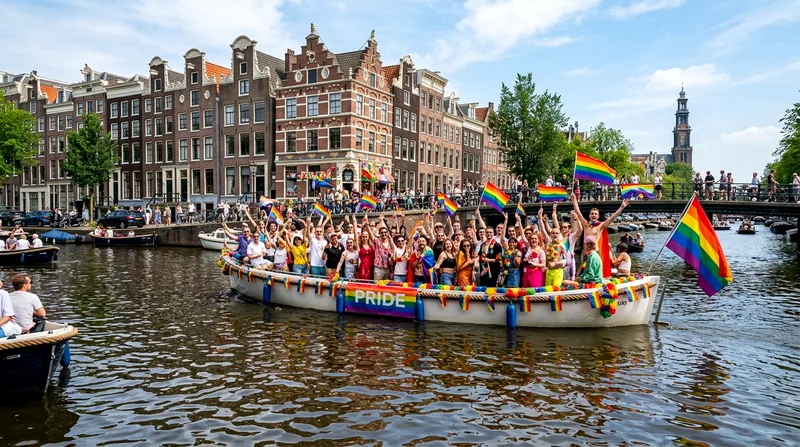
Couples, solo travelers, and anyone treating this as the visual highlight of their Amsterdam trip should book an open sloop boat. The unobstructed sightlines matter more than the slightly higher price, and a smaller boat means a more personal, guided experience — the skipper will often point out details a recorded commentary skips entirely. This is also the better pick for LGBT travelers and groups wanting a private, relaxed vibe rather than sharing a boat with 100 strangers, and for anyone wanting to smoke or bring their own drinks, since private charters are generally more flexible about this than large commercial cruises.
Best for comfort and groups
Families with young children, senior travelers who need stable seating or toilet access, and larger groups should lean toward the covered cruise. It's the more forgiving option logistically — easier to book last-minute, more departure times to choose from, and no risk of a rained-out evening. If you're combining the boat tour with a packed day of museums (the Rijksmuseum, Anne Frank House) and just want an easy, low-effort hour on the water, the covered cruise does the job without asking much of you.
Final Verdict: Making Your Choice
If the forecast is dry and you're traveling between April and September, book the open boat — the photos alone justify the extra cost, and the atmosphere of sitting at water level beats anything a glass roof offers. Compare that to Bruges, where canal boats are open-air almost by default because the trips are shorter and the canals narrower; Amsterdam gives you the choice, and that choice is worth making deliberately rather than defaulting to whatever pops up first on TripAdvisor.
If you're traveling in winter, have mobility concerns, or you're bringing a group larger than six, book the covered cruise. It's the lower-risk, lower-effort option, and for a quick orientation tour before heading off to Rotterdam's modern architecture or Utrecht's canals the next day, that efficiency has real value. Just don't expect it to be the highlight of your trip — it's transportation with a view, not an experience in itself.
Either way, check current prices and availability before you book — both tour types fill up on weekends in peak season, and open boats especially can sell out days ahead in July and August.
Frequently asked questions
What is the difference between open and covered canal boats in Amsterdam?
Open boats are small sloops with no roof, carrying 6-12 people with a skipper who often narrates in person. Covered cruises are large glass-topped boats carrying 80-150 passengers on fixed schedules with recorded commentary. Open boats offer better views and atmosphere; covered cruises offer shelter, stability, and toilets.
Which canal tour is best for photography?
Open sloop boats, without question. No glass between you and the canal houses means no reflections or glare, and the lower vantage point gives better composition at bridges and gabled facades, especially during golden hour in the evening.
How do weather conditions affect open vs covered boats?
Covered cruises run in nearly all weather thanks to full shelter and sometimes heating. Open boats usually still operate in light rain with blankets provided, but heavier rain or strong wind can shorten the route or trigger a cancellation with rebooking offered — a real risk in Amsterdam's unpredictable shoulder seasons.
Which boats have open decks for better views?
Small sloop boats from operators like Pure Boats and Kin Boat are fully open-deck. Some larger cruise boats from companies such as Lovers.nl offer a partial open-air upper deck alongside the covered lower level, giving a middle option if you want to choose per-moment.
Are there hybrid boats with both open and covered sections?
Yes. Some mid-sized boats feature sliding glass roofs or retractable canopies, letting the crew open the boat in good weather and close it if rain starts. These typically carry 20-40 passengers — more than a private sloop, fewer than a full cruise boat — and are worth asking about if you can't commit to a forecast in advance.